
Announcements
Editor’s choice
Announcements
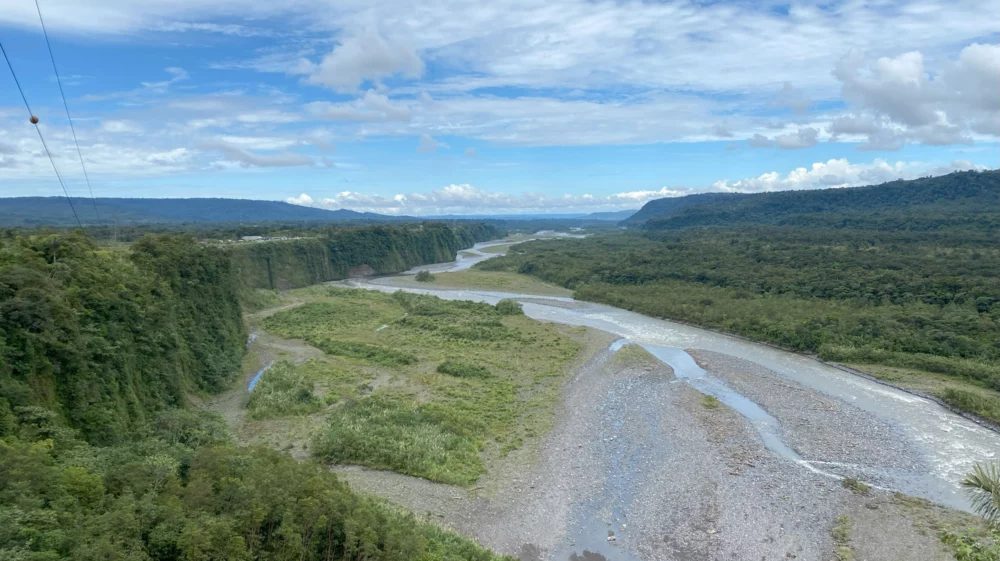
Feature / SEI US formed an agreement with an Ecuadorian university to support the school with watershed modelling for local river basins.
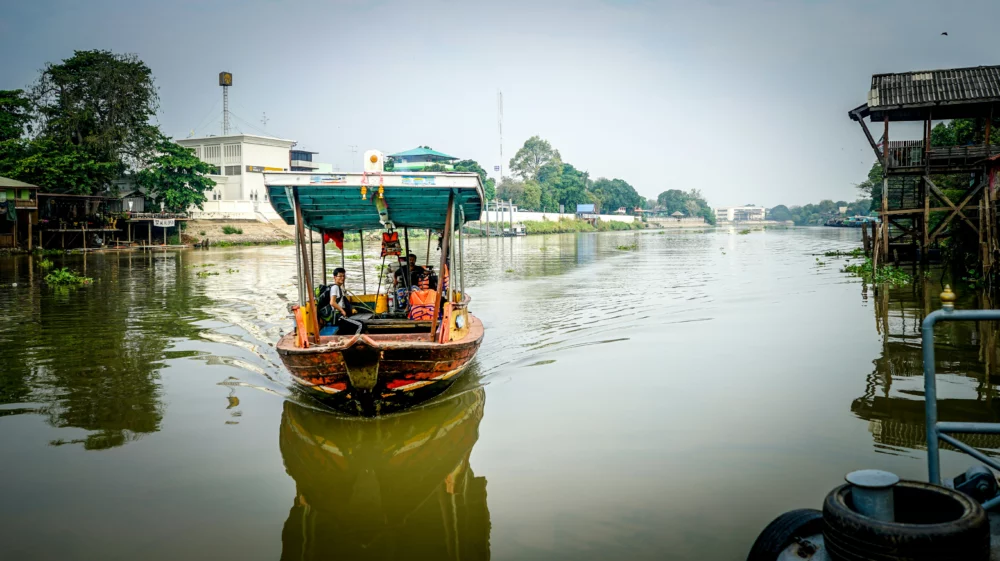
Event on 21 May in Bali / This side event will explore actionable solutions to address water scarcity, pollution, and equitable access, with a focus on Southeast Asia.
We are an international non-profit research and policy organization that tackles environment and development challenges.
SEI has seven centres in the UK, the US, Thailand, Kenya, Estonia and Colombia. Our headquarters is in Sweden.
We promote our research to journalists and media to inform policy and decision-making. We also welcome inquiries on topics in which we have expertise.
Use our tools to predict better results and conduct effective planning.
Journal article / The authors examine seven common strategies for feeding everyone with a smaller carbon footprint and analyse each for their consequences and benefits.
Journal article / Researchers developed a method for quantifying the social and cultural values of treescapes, creating a composite measure which can be used by policymakers.
Journal article / This protocol outlines a systematic approach to explore the link between biodiversity and human health and well-being.
Journal article / This article provides a comprehensive analysis of the role and influence of externally sourced experts at the Swedish development aid agency, Sida.
Explore the Currents 2024 perspective series and gain insights from our panel event, where experts discussed the key sustainability trends set to shape the year ahead.
Feature / Explore perspectives by our researchers on the trends and topics set to shape 2024.
Perspective / How will will the prospect of reaching and breaching the Paris Agreement's 1.5°C target influence actions to contain global warming?
Perspective / Unprecedented pressure on the planet’s finite resources fuels a new race for space of all kinds. How will we manage the trade-offs and resulting conflicts?
Perspective / At this time of growing geopolitical fragmentation and conflict, how can the world foster the multilateral cooperation needed to address global problems?
Vacancy / Join our dynamic SEI Asia team as a Research Fellow focused on inclusive climate finance.
Vacancy / SEI Asia seeks a Research Fellow to advance climate finance and equity.
Vacancy / Enhance MREAL outcomes in global sustainability projects with SEI Asia.
Vacancy / SEI HQ in Stockholm seeks a Financial Controller in for project financial planning and monitoring.
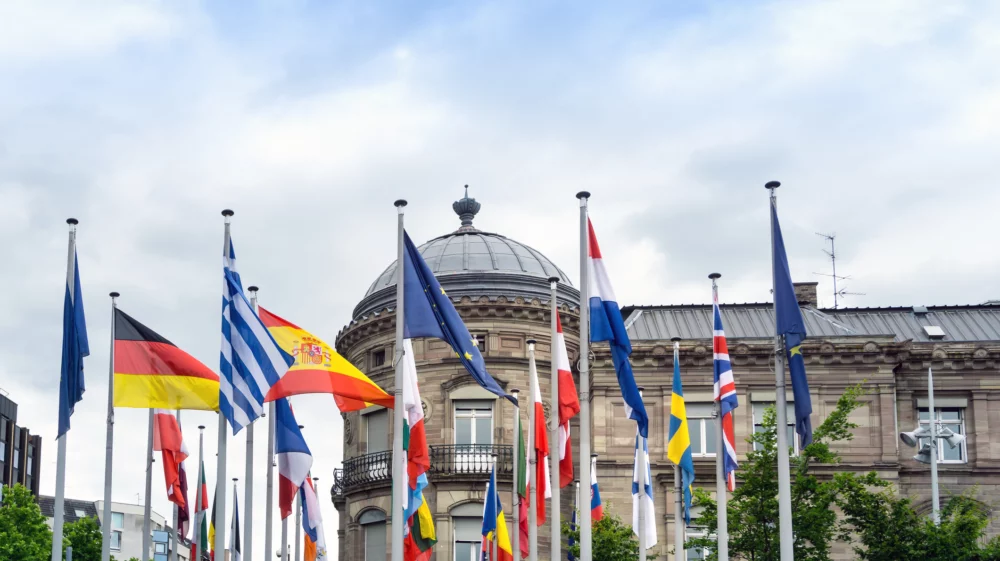
Vacancy / Join SEI as a Fellow, supporting European cities by designing financial roadmaps for climate neutrality.
Design and development by Soapbox.